

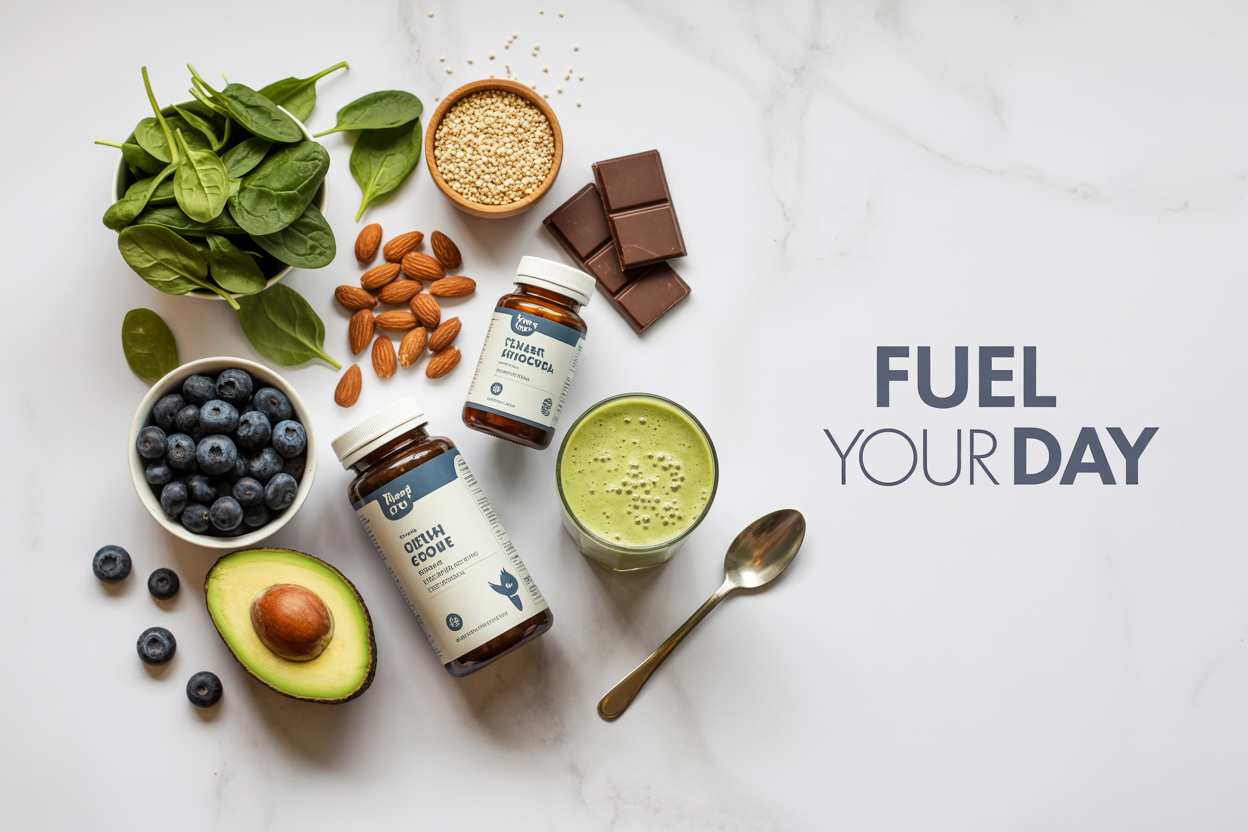
Nutrition Secrets for More Energy: Foods & Supplements That Fuel Your Day
Feeling tired all the time? You’re not alone. Millions of busy professionals, parents, and students struggle with afternoon crashes and low energy that makes getting through the day feel impossible.
The good news is that simple changes to what you eat and when you eat it can transform your energy levels. This guide is for anyone who wants to ditch the constant fatigue and fuel their body the right way – no expensive treatments or complicated routines required.
We’ll explore the best energy-boosting foods to add to your daily diet and show you how strategic meal planning can keep your energy steady all day long. You’ll also discover which essential supplements can enhance your natural energy production and learn about the sneaky foods and habits that might be draining your energy reserves.
Ready to feel more energized? Let’s dive into these nutrition secrets that actually work.
Understanding How Food Affects Your Energy Levels

Nutrition Secrets for More Energy:
The connection between blood sugar and sustained energy
Your body runs on glucose, and maintaining steady blood sugar levels is the key to avoiding those dreaded energy crashes. When you eat refined carbs or sugary foods, your blood sugar spikes quickly, giving you a temporary boost followed by a dramatic drop that leaves you feeling sluggish and craving more sugar. Complex carbohydrates, healthy fats, and protein work together to provide a slow, steady release of glucose into your bloodstream, keeping your energy levels stable throughout the day.
How macronutrients impact your daily vitality
Carbohydrates serve as your body’s preferred fuel source, but the type matters enormously. Simple carbs burn fast and leave you empty, while complex carbs provide lasting fuel. Protein helps stabilize blood sugar and supports muscle function, while healthy fats slow digestion and provide concentrated energy. The magic happens when you combine all three macronutrients in balanced proportions – this combination maximizes nutrient absorption and creates sustained energy that powers you through demanding days.
Why timing your meals matters for peak performance
Your body’s energy needs fluctuate throughout the day, and strategic meal timing can optimize your natural rhythms. Eating a protein-rich breakfast jumpstarts your metabolism and provides morning fuel, while spacing meals 3-4 hours apart prevents blood sugar dips that trigger fatigue. Late-night eating disrupts sleep quality and morning energy levels, creating a cycle of exhaustion. Pre-workout snacks with easily digestible carbs boost performance, while post-workout protein aids recovery and maintains steady energy levels for hours afterward.
Nutrition Secrets for More Energy:
👉 Get Java Burn at the Best Price Here
Energy-Boosting Foods to Add to Your Daily Diet

Complex Carbohydrates That Provide Steady Fuel
Complex carbs act like slow-burning logs in your energy fireplace, delivering consistent fuel for hours. Oatmeal, quinoa, and sweet potatoes release glucose gradually into your bloodstream, preventing the roller coaster of energy spikes and crashes that simple sugars cause. Brown rice and whole grain bread keep your brain and muscles humming with steady power, making them perfect for busy workdays or intense workout sessions.
Protein Sources That Maintain Energy Throughout the Day
Protein works as your body’s repair crew while doubling as an energy source when carbs run low. Greek yogurt, eggs, and lean chicken provide amino acids that stabilize blood sugar levels and keep hunger at bay for longer periods. Plant-based options like lentils, chickpeas, and hemp seeds offer similar benefits while adding fiber and essential minerals that support your energy production pathways.
Healthy Fats That Support Long-Lasting Stamina
Your brain runs on fat, and choosing the right types can supercharge your mental clarity and physical endurance. Avocados, nuts, and olive oil contain monounsaturated fats that help absorb fat-soluble vitamins crucial for energy metabolism. Omega-3 rich foods like salmon, walnuts, and chia seeds reduce inflammation that can drain your energy while supporting healthy brain function and sustained focus throughout demanding days.
Hydrating Foods That Prevent Energy Crashes
Dehydration is a sneaky energy thief that strikes before you even feel thirsty. Water-rich foods like cucumbers, watermelon, and oranges provide hydration plus natural electrolytes that keep your cells functioning optimally. Leafy greens and tomatoes contain high water content alongside vitamins and minerals that support energy production, making them perfect additions to meals when you need sustained vitality without the caffeine jitters.
Strategic Meal Planning for Maximum Energy Output

Creating balanced breakfast combinations for morning power
Protein, complex carbs, and healthy fats form the perfect morning energy trio. Combine Greek yogurt with berries and nuts, or pair whole grain toast with avocado and eggs. These combinations stabilize blood sugar and provide sustained fuel for hours.
Designing energizing lunch options that beat afternoon slumps
Build your midday meal around lean protein, fiber-rich vegetables, and whole grains to maintain steady energy levels. A quinoa bowl with grilled chicken, mixed greens, and olive oil delivers lasting power without the post-lunch crash.
Smart snacking strategies to maintain consistent energy
Time your snacks strategically between meals to prevent energy dips. Apple slices with almond butter or hummus with vegetables provide the right balance of nutrients to keep your metabolism active and your focus sharp throughout the day.
👉 Get Java Burn at the Best Price Here
Essential Supplements That Enhance Natural Energy Production

B-vitamins for cellular energy metabolism
B-vitamins work like tiny engines inside your cells, converting food into usable energy. These water-soluble vitamins, especially B12, B6, and folate, help your body break down carbohydrates, fats, and proteins at the cellular level. When you’re deficient in B-vitamins, your energy production slows down, leaving you feeling tired and sluggish throughout the day.
Iron and magnesium for oxygen transport and muscle function
Iron carries oxygen through your bloodstream to every muscle and organ, while magnesium activates over 300 enzymes involved in energy production. Without adequate iron, your muscles can’t get enough oxygen to function properly, causing fatigue and weakness. Magnesium deficiency disrupts ATP production, your body’s main energy currency, making even simple tasks feel exhausting and leaving you craving rest.
Adaptogens that help your body manage stress and fatigue
Adaptogenic herbs like ashwagandha, rhodiola, and ginseng help your adrenal glands respond better to physical and mental stress. These natural compounds regulate cortisol levels and support your nervous system, preventing the energy crashes that come from chronic stress. Regular adaptogen use can improve your stamina and help maintain steady energy levels even during demanding periods.
Coenzyme Q10 for mitochondrial energy support
CoQ10 acts as a spark plug for your cellular powerhouses, the mitochondria, helping them produce ATP more efficiently. This antioxidant compound naturally declines with age, which explains why many people feel less energetic as they get older. Supplementing with CoQ10 can restore mitochondrial function, giving you more sustained energy and better exercise performance while protecting your cells from oxidative damage.
Foods and Habits That Drain Your Energy Reserves

Hidden sugar sources that cause energy rollercoasters
Your morning granola bar might seem healthy, but it’s likely packed with hidden sugars that send your energy soaring before crashing hard. Condiments like ketchup, salad dressings, and even savory sauces contain surprising amounts of added sugars. These sneaky sources create rapid blood sugar spikes followed by dramatic drops, leaving you more tired than before you ate.
Processed foods that rob your body of vital nutrients
Ultra-processed foods strip away essential B vitamins, magnesium, and iron that your body needs for sustained energy production. White bread, packaged snacks, and frozen meals require more energy to digest than they provide back. Your body works overtime processing artificial additives while missing out on the nutrients needed to fuel cellular energy production.
Caffeine mistakes that lead to crashes and dependency
Drinking coffee on an empty stomach amplifies jitters and crashes while blocking iron absorption from your next meal. Late-afternoon caffeine interferes with sleep quality, creating a vicious cycle where you need more stimulants the next day. Energy drinks combine excessive caffeine with sugar, creating double the crash potential while masking your body’s natural fatigue signals.

The foods you eat directly impact how energetic you feel throughout the day. Complex carbohydrates, lean proteins, and nutrient-dense fruits and vegetables provide steady fuel for your body, while strategic meal timing prevents those dreaded afternoon crashes. When you plan your meals around these energy-boosting foods and add targeted supplements like B vitamins, iron, and magnesium, you create a sustainable foundation for lasting vitality.
Your energy levels don’t have to be at the mercy of caffeine crashes and sugar spikes. Start by swapping processed snacks for whole food alternatives, eating balanced meals every 3-4 hours, and avoiding energy-draining habits like skipping breakfast or relying on quick fixes. Small changes in your nutrition approach can lead to dramatic improvements in how you feel and perform each day. Your body is designed to run on premium fuel – give it what it needs, and you’ll be amazed at the difference.