

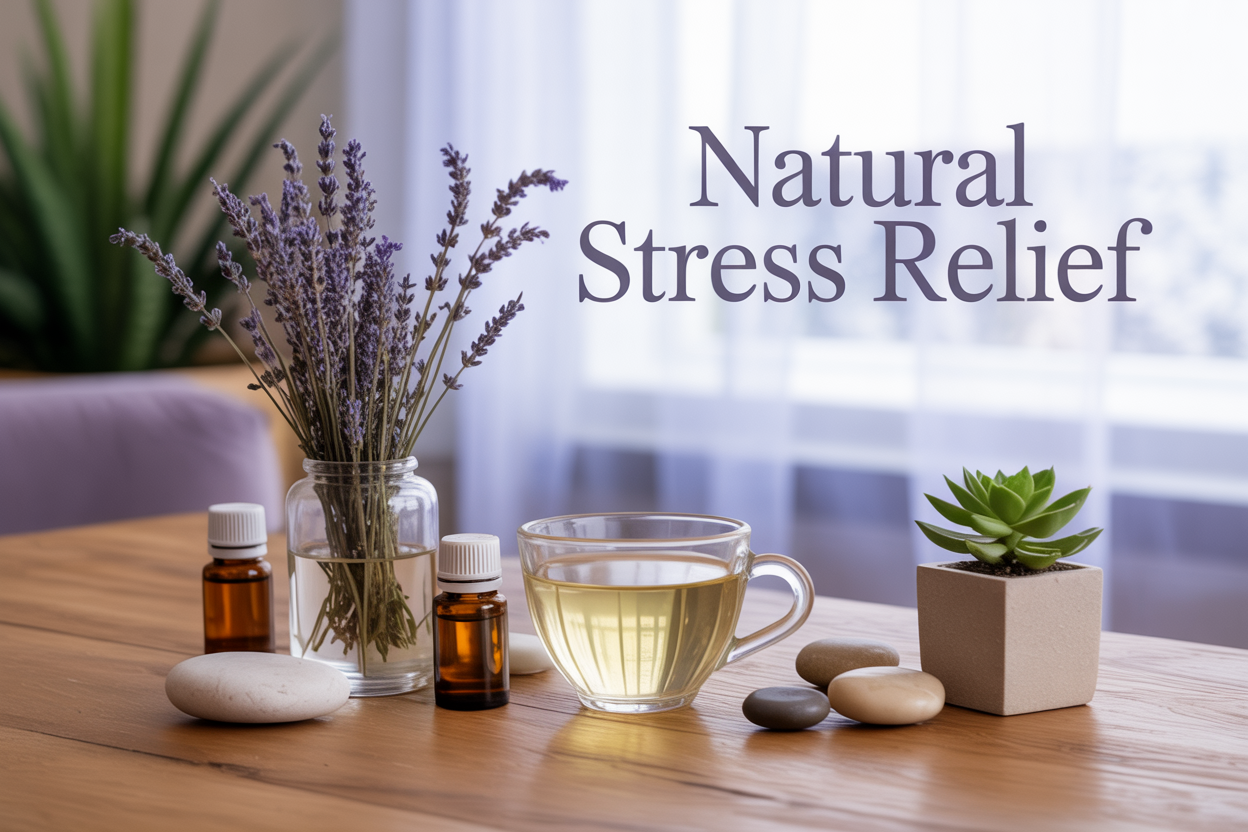
Feeling overwhelmed by daily stress and looking for natural ways to find relief? You’re not alone. Millions of people deal with stress every day, and many are turning away from quick fixes to discover natural remedies for stress relief that actually work.
This guide is for anyone who wants to manage stress without relying solely on medication or expensive treatments. You’ll find practical solutions that fit into your real life – no matter how busy your schedule.
We’ll explore proven techniques like deep breathing exercises that deliver instant calm when you need it most. You’ll also discover which herbal teas can naturally ease anxiety and how essential oils work as powerful stress-busters. Plus, we’ll cover simple physical movements that help release the tension your body holds onto throughout the day.
These natural approaches give you the tools to take control of your stress levels and build lasting resilience.
Ashwagandha supplement on Amazon.
Deep Breathing Techniques for Instant Calm

Natural Remedies for Stress Relief
Master the 4-7-8 breathing method for quick stress relief
The 4-7-8 technique works like magic when panic strikes. Inhale through your nose for 4 counts, hold your breath for 7, then exhale through your mouth for 8 counts. This pattern triggers your parasympathetic nervous system, slowing your heart rate and lowering blood pressure within minutes. Practice this three times in a row, and you’ll feel your shoulders drop and tension melt away.
Practice diaphragmatic breathing to activate your body’s relaxation response
Your diaphragm is your stress-fighting superpower. Place one hand on your chest, another on your belly. Breathe slowly through your nose, making sure only your bottom hand moves. This deep belly breathing sends oxygen-rich blood throughout your body while signaling your brain that everything’s okay. Start with 5 minutes daily, and soon this natural rhythm will become your go-to reset button.
Use box breathing to regain focus during overwhelming moments
Box breathing creates mental clarity when your thoughts spiral. Visualize drawing a square: inhale for 4 counts up one side, hold for 4 across the top, exhale for 4 down the other side, hold for 4 across the bottom. Navy SEALs use this technique before missions because it sharpens focus while calming nerves. Perfect for those moments when deadlines loom or difficult conversations await.
Herbal Teas That Naturally Reduce Anxiety

Discover chamomile’s powerful calming properties for better sleep
Chamomile contains apigenin, an antioxidant that binds to brain receptors and promotes sleepiness while reducing insomnia. This gentle flower has been used for centuries to ease restlessness and prepare the mind for restful sleep. Studies show that drinking chamomile tea 30 minutes before bedtime significantly improves sleep quality and reduces the time needed to fall asleep. The tea works by lowering cortisol levels and relaxing the nervous system, making it particularly effective for people who struggle with bedtime anxiety or racing thoughts that prevent sleep.
Harness passionflower’s ability to quiet racing thoughts
Passionflower acts as a natural sedative by increasing GABA production in the brain, which slows down overactive neural pathways responsible for anxious thinking. This climbing vine creates a noticeable sense of mental clarity and focus while reducing the intensity of worry loops. Research indicates that passionflower tea can be as effective as some prescription anti-anxiety medications without the side effects. People experiencing work-related stress or general anxiety often notice calmer thoughts within 20-30 minutes of drinking the tea, making it an excellent choice for afternoon or early evening consumption when the mind needs to unwind from daily pressures.
Ashwagandha supplement on Amazon.
Experience lavender tea’s soothing effects on nervous tension
Lavender’s active compounds, including linalool and linalyl acetate, directly target the limbic system to reduce nervous system hyperactivity and muscle tension. The tea provides both aromatherapy benefits through its scent and internal calming effects when consumed. Clinical trials demonstrate that lavender tea consumption leads to measurable decreases in anxiety scores and physical symptoms like rapid heartbeat or shallow breathing. The herb works particularly well for stress-related headaches and neck tension, as it helps relax both mental and physical manifestations of anxiety. Regular consumption can help retrain the nervous system to respond more calmly to daily stressors.
Learn how lemon balm reduces cortisol levels naturally
Lemon balm contains rosmarinic acid and other compounds that directly inhibit cortisol production while supporting healthy adrenal function. This mint family herb helps break the cycle of chronic stress by addressing the root hormonal imbalances that perpetuate anxiety. Studies show that lemon balm tea can reduce cortisol levels by up to 16% when consumed regularly over several weeks. The herb also supports cognitive function and memory, which often suffer during periods of high stress. People dealing with chronic stress, work burnout, or emotional overwhelm find that lemon balm helps restore their natural stress response patterns and improves overall resilience to daily challenges.
Essential Oils for Aromatherapy Stress Relief

Use lavender oil to create a peaceful environment anywhere
Lavender oil stands as the gold standard for aromatherapy stress relief. Add 3-5 drops to a diffuser or apply diluted oil to pulse points for instant relaxation. Its compounds directly interact with your nervous system, slowing heart rate and reducing cortisol levels. Keep a small bottle in your purse, car, or desk drawer for on-the-go stress relief.
Apply bergamot oil to lift mood and reduce anxiety
Bergamot oil’s citrusy scent naturally boosts serotonin production while lowering stress hormones. Mix 2-3 drops with a carrier oil and massage into temples or wrists when anxiety peaks. Studies show bergamot can reduce anxiety by up to 17% within minutes. This Earl Grey tea-scented oil works particularly well during afternoon energy crashes or before stressful meetings.
Diffuse eucalyptus oil to clear mental fog and promote clarity
Eucalyptus oil cuts through mental cloudiness like a sharp knife through butter. Its menthol-like properties increase oxygen flow to the brain, improving focus and reducing stress-induced confusion. Add 4-6 drops to your diffuser during work hours or before important decisions. The cooling sensation also helps regulate breathing patterns, creating a natural calm that sharpens mental performance.
Physical Movement to Release Built-Up Tension

Practice gentle yoga poses to stretch away stress
Child’s pose, cat-cow stretches, and gentle twists activate your parasympathetic nervous system, signaling your body to relax. Hold each pose for 30 seconds while breathing deeply through your nose.
Take mindful walks in nature to reset your nervous system
Walking outdoors lowers cortisol levels by 15% within 20 minutes. Focus on your footsteps, surrounding sounds, and fresh air to break the stress-thought cycle naturally.
Try progressive muscle relaxation to identify and release tension points
Tense each muscle group for 5 seconds, then release completely. Start with your toes and work upward. This technique helps you recognize where stress hides in your body.
Use simple stretching exercises to relieve workplace stress
Neck rolls, shoulder shrugs, and seated spinal twists can be done at your desk. These micro-movements prevent stress from accumulating and improve circulation during long work periods.
Mindfulness and Meditation Practices for Mental Peace

Start with 5-minute guided meditations for beginners
Download a meditation app or find YouTube videos designed for newcomers. Begin with simple breathing-focused sessions that guide you through basic techniques. These short practices build your foundation without overwhelming your schedule or creating additional stress about time commitments.
Practice present-moment awareness during daily activities
Transform routine tasks into mindfulness opportunities by focusing completely on what you’re doing. While washing dishes, notice the water temperature and soap bubbles. During meals, savor each bite’s texture and flavor. Walking becomes meditation when you feel each step and observe your surroundings without judgment.
Use body scan techniques to identify stress patterns
Start at your toes and slowly move attention upward through each body part, noticing where tension accumulates. Most people discover they hold stress in their shoulders, jaw, or stomach. Regular body scans help you recognize these patterns early, allowing you to address physical stress before it escalates into overwhelming anxiety or chronic pain.
Ashwagandha supplement on Amazon.
Nutritional Approaches to Combat Stress Naturally

Include magnesium-rich foods to support nervous system function
Dark leafy greens, nuts, seeds, and whole grains pack powerful magnesium that helps regulate stress hormones and calms your nervous system. Just one ounce of pumpkin seeds delivers nearly half your daily magnesium needs, making it an easy stress-fighting snack.
Consume omega-3 fatty acids to reduce inflammation and anxiety
Fatty fish like salmon, sardines, and mackerel contain omega-3s that directly combat stress-related inflammation in your brain. These healthy fats help stabilize mood and reduce anxiety symptoms, with studies showing significant improvements after just eight weeks of regular consumption.
Add adaptogenic herbs like ashwagandha to your daily routine
Ashwagandha acts like a stress thermostat for your body, helping you adapt to daily pressures while lowering cortisol levels. Start with 300-500mg daily in supplement form, or try mixing ashwagandha powder into smoothies for a natural way to build stress resilience.
Maintain stable blood sugar levels to prevent stress spikes
Blood sugar rollercoasters trigger stress responses that leave you feeling anxious and overwhelmed. Pair complex carbohydrates with protein at each meal, eat every 3-4 hours, and avoid sugary snacks that cause energy crashes and amplify stress throughout your day.
Sleep Optimization Strategies for Stress Recovery

Create a calming bedtime routine to signal relaxation
Starting your wind-down ritual 30-60 minutes before sleep helps your body recognize it’s time to rest. Dim the lights, put away electronic devices, and engage in calming activities like reading, gentle stretching, or journaling. Taking a warm bath with Epsom salts can relax tense muscles while lowering your core body temperature, which naturally promotes sleepiness. Keep your routine consistent – going to bed and waking up at the same times daily helps regulate your circadian rhythm, making it easier to fall asleep and wake up refreshed.
Use natural sleep aids like melatonin and valerian root
Melatonin supplements (0.5-3mg taken 30 minutes before bedtime) can help reset disrupted sleep cycles, especially if you’re dealing with stress-related insomnia. Valerian root tea or capsules work as a gentle sedative, reducing the time it takes to fall asleep without morning grogginess. Passionflower tea offers another natural option, helping calm racing thoughts that often keep stressed minds awake. Start with lower doses to assess your body’s response, and avoid combining multiple sleep aids without consulting a healthcare provider.
Design your bedroom environment for maximum rest and recovery
Your sleep sanctuary should be cool (65-68°F), dark, and quiet to optimize deep sleep phases crucial for stress recovery. Blackout curtains or an eye mask block disruptive light, while a white noise machine or earplugs can mask sudden sounds. Invest in a comfortable mattress and pillows that support your preferred sleep position. Remove work materials, exercise equipment, and electronic devices that emit blue light – your bedroom should be associated only with sleep and relaxation, creating a mental boundary between daytime stress and nighttime recovery.
Social Connection and Communication for Emotional Support

Build a strong support network of trusted friends and family
Surrounding yourself with people who genuinely care creates a powerful buffer against stress. Quality relationships provide emotional validation, practical help during tough times, and different perspectives on challenging situations. Invest time in nurturing these connections through regular check-ins, shared activities, and being present when others need support. Remember that building trust takes time, but having even two or three reliable people in your corner can dramatically reduce stress levels and improve your overall resilience.
Practice expressing your feelings through journaling
Writing down your thoughts and emotions serves as a private outlet for processing stress without judgment. Regular journaling helps identify stress patterns, triggers, and recurring worries that might otherwise stay bottled up inside. Start with just five minutes daily, writing whatever comes to mind about your experiences, feelings, or concerns. This practice creates emotional distance from problems, often revealing solutions or helping you recognize that many worries are less threatening when put on paper.
Engage in meaningful conversations to process stressful experiences
Talking through stressful situations with trusted individuals provides immediate relief and fresh insights. Choose conversations that feel safe and supportive rather than seeking advice from everyone you meet. Share specific details about what’s bothering you, how it makes you feel, and what you’re thinking about doing. Good listeners often help you work through problems simply by asking thoughtful questions or offering their own experiences. These conversations transform isolation into connection and confusion into clarity.
Time Management Techniques to Reduce Daily Overwhelm

Prioritize tasks using the Eisenhower Matrix method
Sort your daily tasks into four categories: urgent and important, important but not urgent, urgent but not important, and neither urgent nor important. Focus on important tasks first, delegate urgent but unimportant ones, and eliminate time-wasters completely. This simple framework prevents you from constantly reacting to every demand on your time.
Set healthy boundaries to protect your energy and time
Create clear limits around your availability by establishing specific work hours, turning off notifications after certain times, and communicating your boundaries clearly to others. Protect your most productive hours for high-priority work and avoid checking emails first thing in the morning or right before bed.
Break large projects into manageable, stress-free steps
Transform overwhelming projects into bite-sized actions by creating daily mini-goals that feel achievable. Write down each small step, assign realistic deadlines, and celebrate progress along the way. This approach prevents procrastination and reduces the anxiety that comes from staring at massive, undefined tasks.
Learn to say no without guilt to unnecessary commitments
Practice polite but firm responses like “I can’t take this on right now” or “That doesn’t align with my current priorities.” Remember that every yes to something unimportant means saying no to something that matters more. Your time and energy are finite resources that deserve protection.
Creative Outlets for Stress Expression and Relief

Use art therapy techniques to process difficult emotions
Drawing, painting, or sculpting allows your mind to express what words can’t capture. The rhythmic motions of creating art naturally lower cortisol levels while giving difficult emotions a tangible form. Even simple doodling can shift your brain from stress mode to a more relaxed state.
Find stress relief through music and rhythmic activities
Listening to calming music or playing an instrument activates your parasympathetic nervous system, instantly reducing anxiety. Drumming, humming, or dancing releases endorphins while the repetitive nature of rhythm creates a meditative effect. Your heartbeat actually synchronizes with musical tempo, promoting deep relaxation.
Engage in gardening as a grounding and therapeutic practice
Digging in soil and nurturing plants connects you directly to nature’s calming energy. The physical activity releases tension while the focus required quiets racing thoughts. Gardening provides tangible results and a sense of accomplishment, boosting mood through both the process and seeing your efforts bloom into something beautiful.

Managing stress doesn’t have to involve complicated solutions or expensive treatments. From simple breathing exercises you can do anywhere to sipping calming herbal teas, these natural approaches offer real relief without side effects. Whether you’re drawn to aromatherapy with essential oils, finding peace through meditation, or expressing yourself through creative activities, there’s something here that fits your lifestyle and preferences.
The best part about these remedies is that you can start using them right away. Pick one or two that resonate with you most – maybe it’s taking evening walks to release tension or finally prioritizing that sleep schedule you’ve been putting off. Small, consistent changes often create the biggest impact. Your stress levels don’t have to control your life, and with these natural tools in your toolkit, you’re already on the path to feeling more balanced and at ease.