

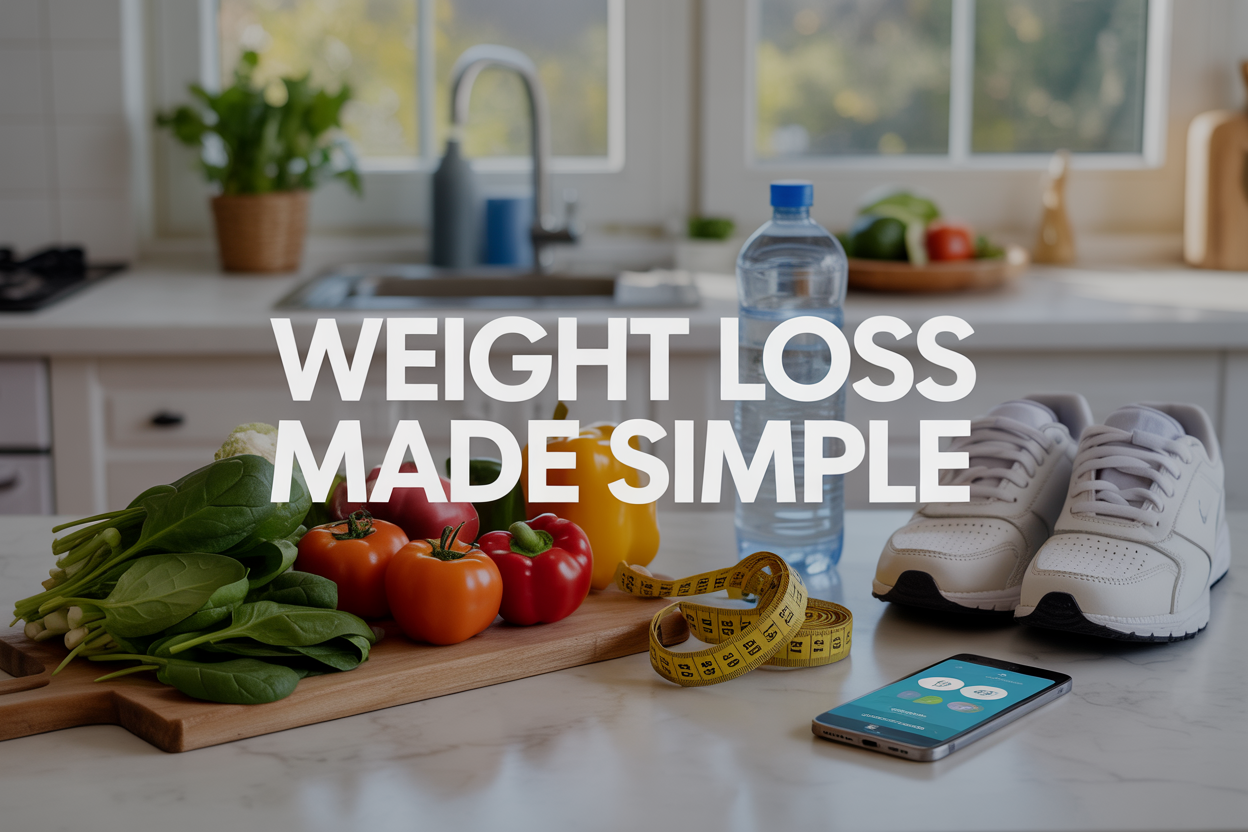
Weight Loss Made Simple:
Weight loss doesn’t have to be complicated or overwhelming. This guide is for busy adults who want to lose weight without extreme diets, expensive programs, or spending hours at the gym every day.
You’ll learn how sustainable weight loss actually works and why quick fixes fail most people. We’ll show you how to build a simple nutrition plan that fits your life and preferences, not some cookie-cutter diet that leaves you hungry and frustrated.
We’ll also cover practical fitness strategies that work around your schedule and help you overcome the mental roadblocks that trip up most people trying to lose weight. By the end, you’ll have a clear roadmap for creating lasting habits that make weight loss feel automatic instead of like constant willpower battles.
Try Ikaria Juice today
Understanding the Science Behind Sustainable Weight Loss

How Your Body Burns Fat vs Muscle During Weight Loss
Your body prefers burning fat when you create a moderate calorie deficit through proper nutrition and exercise. When you cut calories too drastically, your metabolism slows down and begins breaking down muscle tissue for energy instead of fat. This happens because your body enters survival mode, conserving fat stores and sacrificing metabolically active muscle tissue.
Preserving muscle during weight loss requires adequate protein intake and resistance training. Muscle tissue burns more calories at rest than fat, so maintaining it keeps your metabolism higher throughout the weight loss process. The key is losing weight gradually while providing your body with the nutrients and stimulus it needs to hold onto precious muscle mass.
The Role of Metabolism in Long-Term Success
Your metabolic rate determines how many calories you burn daily, influencing how quickly you lose weight and how easily you maintain results. People with higher metabolisms can eat more food while maintaining their weight because their bodies naturally burn more energy through basic functions like breathing, circulation, and cell repair.
Building and maintaining muscle mass is the most effective way to boost your metabolism long-term. Each pound of muscle burns approximately 6-10 calories per day at rest, while fat burns only 2-3 calories. Regular strength training, adequate sleep, and eating enough protein all support a healthy metabolism that works in your favor.
Why Crash Diets Fail and Slow Methods Work
Crash diets trigger your body’s starvation response, drastically reducing metabolic rate and increasing hunger hormones. This biological reaction made sense for our ancestors who faced genuine food shortages, but it sabotages modern weight loss efforts. Most people regain lost weight within months because their slowed metabolism makes maintenance incredibly difficult.
Gradual weight loss of 1-2 pounds per week allows your body to adapt without triggering survival mechanisms. This approach preserves muscle mass, maintains energy levels, and gives you time to develop sustainable eating habits. Slow and steady changes become part of your lifestyle rather than temporary restrictions you eventually abandon.
Setting Realistic Expectations for Healthy Progress
Weight loss isn’t linear – expect fluctuations due to water retention, hormonal changes, and normal body functions. The scale might stay the same for weeks while you’re losing fat and gaining muscle, making progress photos and measurements more accurate indicators than daily weigh-ins.
Most people can safely lose 0.5-2 pounds per week, with larger individuals losing faster initially. Focus on consistency over perfection, aiming for 80% adherence to your plan rather than demanding flawless execution. Small, sustainable changes compound over time, creating lasting results that crash diets simply can’t match.
Get Ikaria Juice here
Creating Your Personalized Nutrition Foundation

Calculate Your Daily Caloric Needs for Fat Loss
Start with your Basal Metabolic Rate (BMR) – the calories your body burns at rest. Multiply your weight in pounds by 10-12 for women or 12-14 for men as a quick estimate. Then factor in your activity level: multiply by 1.2 for sedentary, 1.4 for lightly active, or 1.6 for moderately active lifestyles.
Create your deficit by subtracting 300-500 calories from your maintenance number. This moderate approach prevents metabolic slowdown while ensuring steady fat loss of 1-2 pounds per week. Track your weight and energy levels weekly, adjusting calories up or down by 100-150 if progress stalls or you feel overly fatigued.
Master Portion Control Without Measuring Everything
Your hand becomes your best measuring tool. A palm-sized portion equals one serving of protein, while your cupped hand measures carbohydrates like rice or pasta. Use your thumb for fats like nuts or oils, and fill the rest of your plate with non-starchy vegetables.
The plate method works wonders for visual learners. Fill half your plate with vegetables, one quarter with lean protein, and the remaining quarter with complex carbohydrates. This approach automatically balances macronutrients while controlling portions without the hassle of weighing food or counting every calorie.
Build Balanced Meals That Keep You Satisfied
Every meal needs three key components: protein for satiety, fiber for fullness, and healthy fats for hormone production. Aim for 20-30 grams of protein per meal – think chicken breast, Greek yogurt, or beans. Add fiber through vegetables, fruits, or whole grains to slow digestion and prevent blood sugar spikes.
Include a small amount of healthy fat like avocado, nuts, or olive oil to trigger fullness hormones. This combination keeps you satisfied for 3-4 hours between meals, preventing the energy crashes that lead to poor food choices and overeating later in the day.
Smart Food Swaps That Cut Calories Without Sacrifice
Replace high-calorie ingredients with nutrient-dense alternatives that deliver similar taste and texture. Swap regular pasta for zucchini noodles or shirataki noodles, saving 200+ calories per serving. Use Greek yogurt instead of sour cream, or mashed cauliflower in place of mashed potatoes for creamy textures with fewer calories.
Choose air-popped popcorn over chips for your crunchy snack fix, or frozen grapes instead of ice cream when sweet cravings hit. These swaps maintain the eating experience you crave while creating the caloric deficit needed for weight loss, making the process feel less restrictive and more sustainable long-term.
Timing Your Meals for Maximum Energy and Results
Eat your largest meals when you’re most active and need the most energy. Front-load your calories earlier in the day when your metabolism runs highest, tapering portions as evening approaches. This pattern supports natural circadian rhythms and improves insulin sensitivity throughout the day.
Space meals 3-4 hours apart to maintain steady blood sugar levels and prevent energy crashes. Stop eating 2-3 hours before bed to improve sleep quality and allow your body to enter fat-burning mode overnight. If you exercise, eat a small protein and carb snack within 30 minutes post-workout to support recovery and muscle preservation.
Simple Fitness Strategies That Fit Your Lifestyle

Start with 20-Minute Workouts That Deliver Results
Twenty minutes is all you need to kickstart your weight loss journey. High-intensity interval training (HIIT) combines short bursts of intense exercise with brief recovery periods, maximizing calorie burn in minimal time. Try alternating 30 seconds of jumping jacks with 15 seconds of rest, or cycle between bodyweight squats, push-ups, and mountain climbers.
Circuit training offers another powerful approach, moving quickly between different exercises without rest. This keeps your heart rate elevated while targeting multiple muscle groups, creating an afterburn effect that continues melting calories hours after your workout ends.
Combine Strength Training and Cardio for Optimal Fat Burn
Building lean muscle mass becomes your secret weapon for long-term weight loss success. Muscle tissue burns more calories at rest than fat tissue, creating a metabolic advantage that works around the clock. Focus on compound movements like squats, deadlifts, and push-ups that work multiple muscle groups simultaneously.
Blending strength exercises with cardio movements amplifies results dramatically. Try performing a set of dumbbell rows followed immediately by 30 seconds of high knees, or alternate between lunges and jumping rope intervals for maximum efficiency.
Turn Daily Activities into Calorie-Burning Opportunities
Your everyday routine holds untapped potential for burning extra calories. Take stairs instead of elevators, park farther away from entrances, or walk while talking on phone calls. These micro-workouts add up quickly without requiring gym time or special equipment.
Transform household chores into fitness opportunities by adding intensity. Vacuum with exaggerated lunging motions, do calf raises while washing dishes, or incorporate squats during TV commercial breaks. Dancing while cooking dinner or doing jumping jacks between work meetings creates movement without disrupting your schedule.
Overcoming Common Weight Loss Obstacles

Break Through Frustrating Weight Loss Plateaus
Your metabolism adapts to calorie restrictions and exercise routines after 6-8 weeks, causing weight loss to stall. Combat plateaus by cycling your calories throughout the week, alternating between higher and lower intake days. Change your workout routine every 4-6 weeks by switching between strength training, cardio intervals, and different movement patterns.
Track measurements beyond the scale – body fat percentage, muscle mass, and how your clothes fit provide better progress indicators. Sleep quality and stress levels directly impact plateau-breaking hormones like cortisol and leptin, so prioritize 7-9 hours of sleep and stress management techniques.
Handle Cravings and Emotional Eating Triggers
Cravings typically peak and fade within 3-5 minutes, so distraction techniques work better than willpower alone. Keep a craving journal to identify patterns – are you stressed, bored, or actually hungry? Create a go-to list of activities like taking a walk, calling a friend, or drinking herbal tea.
Stock your environment with satisfying alternatives that align with your goals. When emotional eating strikes, practice the pause technique: acknowledge the feeling, identify the trigger, and choose a non-food response. Protein-rich snacks and staying hydrated can reduce the intensity of cravings.
Navigate Social Situations and Special Occasions
Preview restaurant menus online and decide your order before arriving to avoid impulsive choices. Eat a small protein-rich snack before social events to prevent overindulging on appetizers and party foods. Focus on the social aspect rather than the food – position yourself away from buffet tables and engage in conversations.
Bring a healthy dish to share at gatherings so you know there’s at least one nutritious option available. Practice portion control by using smaller plates and eating slowly. Remember that one meal or event won’t derail your progress – consistency over perfection drives long-term success.
Bounce Back Quickly from Setbacks and Slip-Ups
Weight loss isn’t linear, and temporary setbacks are completely normal parts of the journey. When you slip up, avoid the all-or-nothing mentality that turns a single meal into a week-long binge. Return to your regular eating pattern with the very next meal rather than waiting until Monday.
Learn from each setback by identifying what triggered it and creating a specific plan for similar situations. Self-compassion accelerates recovery better than self-criticism – treat yourself with the same kindness you’d show a good friend. Focus on building momentum through small wins rather than trying to compensate with extreme restrictions.
Get Ikaria Juice here
Building Habits That Make Weight Loss Automatic

Create Morning and Evening Routines That Support Your Goals
Start your day with a simple 10-minute morning routine that sets you up for success. Pack your gym bag the night before, prepare overnight oats, and drink a large glass of water upon waking. Your evening routine should include meal prep for tomorrow, setting out workout clothes, and reflecting on three wins from your day.
Use Simple Tracking Methods to Stay Accountable
Keep a food photo journal on your phone – snap pictures of everything you eat without obsessing over calories. Track your workouts with basic notes like “walked 20 minutes” or “did bodyweight exercises.” This visual record creates awareness without overwhelming complexity, helping you spot patterns and celebrate progress over time.
Develop a Support System That Keeps You Motivated
Share your goals with family and friends who will encourage your healthy choices rather than sabotage them. Join online communities or local fitness groups where you can connect with like-minded people facing similar challenges. Having workout buddies or accountability partners makes the journey less lonely and increases your chances of sticking with your plans when motivation dips.

The journey to sustainable weight loss doesn’t have to be complicated or overwhelming. By understanding how your body actually responds to different foods and exercise, you can make smarter choices that work with your natural rhythms instead of against them. The key is building a personalized approach that fits your real life – not some perfect version of yourself that exists only in your head.
Start with small changes you can actually stick with. Pick one nutrition habit and one simple fitness routine that feels doable right now. When those become second nature, add something new. Remember, the best weight loss plan is the one you’ll actually follow consistently. Stop chasing quick fixes and focus on creating a lifestyle that supports your goals every single day. Your future self will thank you for starting today, no matter how small that first step might be.